Epiphany
Life is beautiful, life is terrible, and we are still here.


Epiphany
As a child, the arrival of January 6, known as the epiphany in liturgical terms, meant it was time for us to take down the Christmas tree. My mother did so reluctantly, as it marked the end of any hint of festivities. What stretched before us was months of cold, drab New Jersey winter.
She would sigh as she stood with her hands on her hips and directed whoever she had dragged into helping her. Telling us how to wrap the ornaments, bundle the lights and handle the pine-needle cleanup. It wasn’t a particularly happy experience. But over time, as all the older siblings left home and I was still there, the process became like a private ritual between the two of us.
My mother realized, when I was in middle school, that she had passed her winter blues—now called seasonal depression—on to me. I could hold despair at bay through the holidays, but after New Year’s, my spirits crashed like a sled careening downhill, no brakes.
I slept through breakfast, was easily brought to tears, and spent the days hiding upstairs with my books.Every afternoon at four, I watched General Hospital with Oreos and milk while my mother. always in intense chronic pain, rested. Around six, she would make her way into the kitchen to guide me through making dinner, the New York Times cookbook open on the counter. We managed through these dark days, while sharing an unspoken understanding: winter was a blight, something to be survived.
And yet we loved its rituals:
Lighting candles.
Building fires in the living room (I was proud of mastering this by twelve).
Brewing endless pots of tea.
Reading through stacks of library books and New Yorkers.
Baking cookies.
Spotting red cardinals against the barren backyard.
At some point, maybe I was thirteen or so, my mother seemed to re-invent her relationship with the Epiphany. I’m not sure if she was feeling more religious that year, or saw something on PBS, but she decided we needed to bake a chocolate cake and treat it like a holiday. I remember grating a bar of hard, intensely bitter baker’s chocolate into a silver mixing bowl, then pouring in what seemed like quite a lot of rum.
While the cake rose in the oven, we took down the tree and talked about the usual things: the books we were reading, or what had happened on General Hospital. She thought the show was terribly trashy, yet she wanted to know the latest news of Luke and Laura. Eventually we discussed the actual story behind the celebration of the epiphany, the Magi’s arrival at the manger.
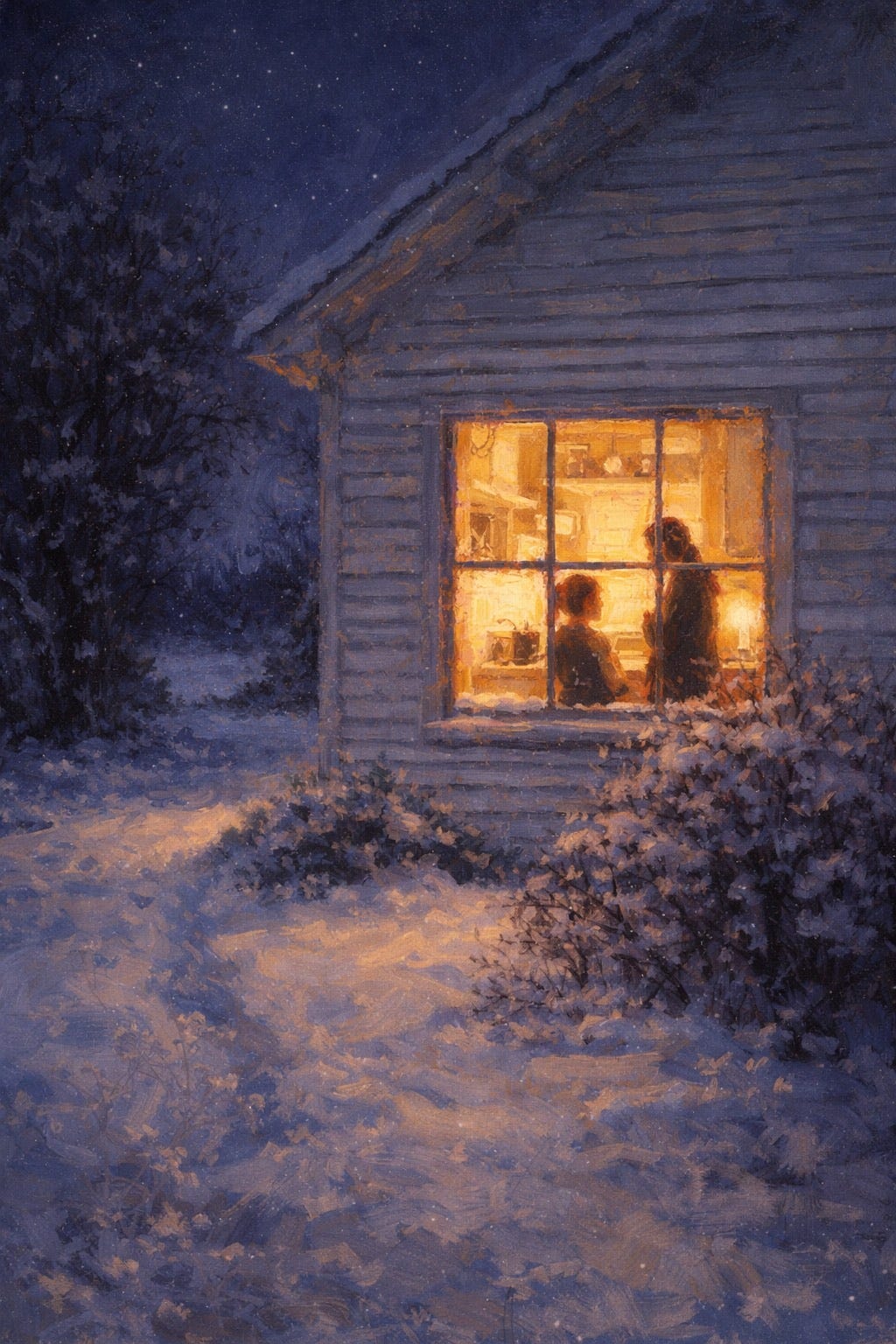
My mother seemed far more moved by the story of the three kings than by those of the immaculate conception or the resurrection. A virgin giving birth? She had watched two sisters place children for adoption through the nuns because they were forbidden to raise babies born out of wedlock. I think she had serious doubts about Mary’s story.
And as for the resurrection—her faith in miracles had been tested to the point of breaking. She had prayed for years to be healed from a debilitating illness. No answer came.
But the story of the kings—three wise men crossing a desert to meet a baby king, guided only by a star—delighted her. As a lover of all things celestial, I came to cherish it as well. I had always been entranced by the night time sky, even sneaking out as a child just to stand beneath it and watch.
Nothing undid me like a shooting star.
The word epiphany also means a sudden awareness or new found knowledge,
a truth that arrives somewhat surprisingly. Hence each January 6, I consider what might be revealed in the year ahead. I wonder if I am missing the stars and signs to follow through the desert?
For the last three and a half years, my personal journey has been through cancer-land, as my husband’s caregiver. As January arrives, we approach four years since diagnosis. Many medical practitioners call his endurance a miracle and we are grateful for his continued presence. But the path has been fraught with pain and fear. We find ourselves weary.
In the past month, there were days when my heart grew so heavy I had to lie face down, as if weighted to the earth. Even breathing seemed difficult. I wanted to simply disappear into the couch cushions, sink into the wet ground.
Let my bones dissolve here and feed the bushes where the hummingbirds will visit in spring, I thought. That is enough for me.
But then I remembered I am not the one fighting a life threatening illness, at least that I know of. So I got up and went to make us both tea.
Other days over the holidays, life seemed unbearably rich. Laughter came easily as we gathered around the table with old friends and family; I was struck by the fog-softened beauty of the wine country, by the gorgeous lit up trees around downtown, and by the scents of California: eucalyptus, pine trees and fresh coffee drifting from the cafes.
And gratitude leapt up in my heart as I watched the deer grazing across the road, sipped a local wine, and felt a three-year-old’s small hand resting on my knee.
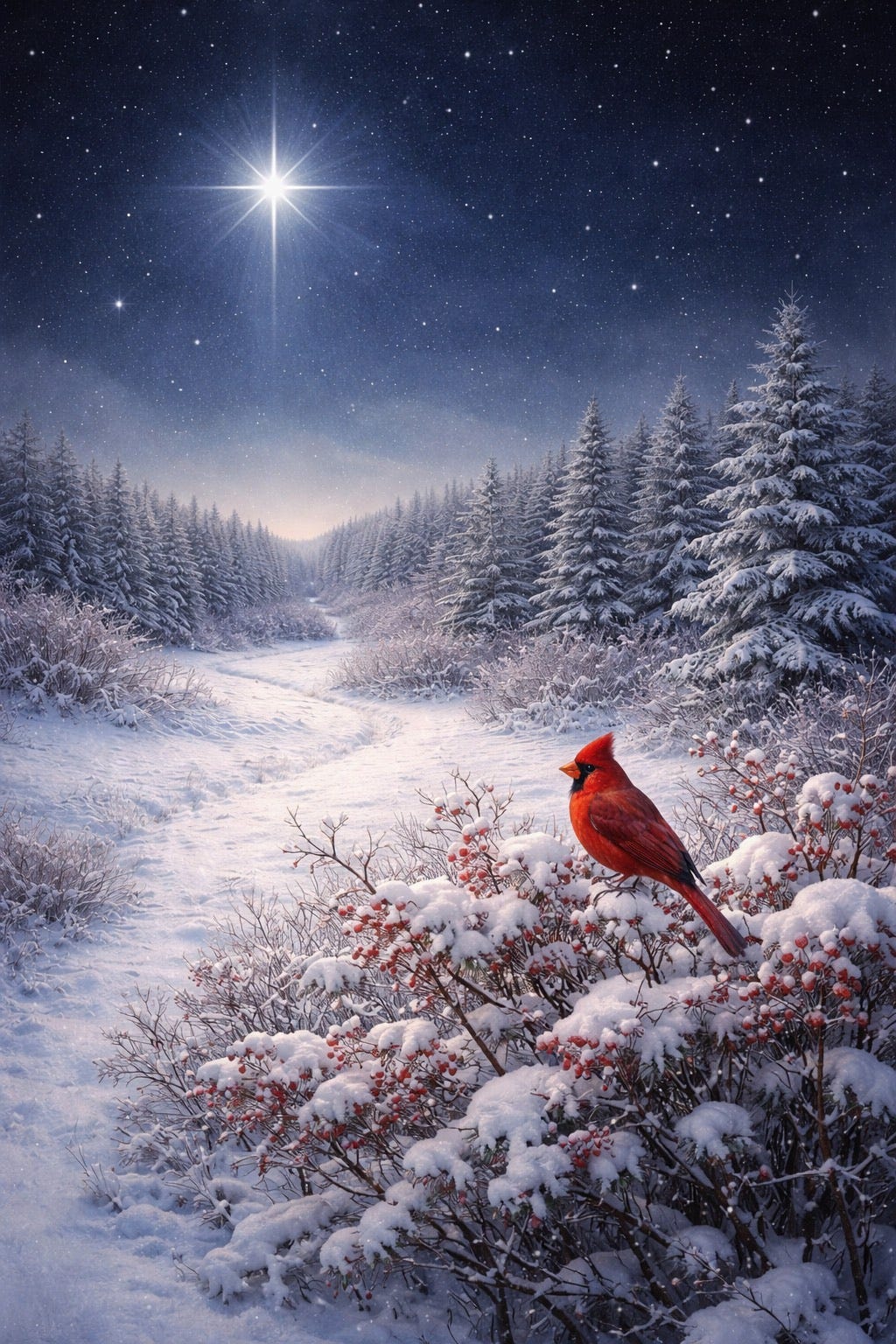
Perhaps this year my epiphany is simple.
Life is beautiful.
And life is terrible.
One day I held my eleven-month-old nephew— born at two and a half pounds last January—now solid, silly, and unmistakably alive. Beautiful.
One afternoon I watched news of vicious attacks on a Jewish community in Australia, sick with sadness for these families. Terrible.
On December 22, I kissed my husband goodbye in the hospital where he had landed, fear tightening my chest. How could I leave him here overnight?
But the next day I brought him home. And we toasted life together on Christmas Eve.
Life is beautiful.
Life is terrible.
And we are still here.
In 2026, I will keep traveling toward the light.
I will search winter skies for the brightest stars.
I will lick my wounds in the wee hours.
I will light candles and eat cake, thinking of my mother.
I will stir embers in the fire-pit until something catches.
I will look directly at the world—
its piercing beauty,
and its violence.
I will not look away.I will witness, and I will write.
I will carry frankincense and myrrh—or words, dreams, fears, silences, and songs—
to the sacred child within. And to the spirit above that blesses the world with love.
That is the savior born daily in our hearts: love.
We can cherish it or discard it. Lean towards love or towards hate. Offer others words of hope or words of fear. We can cling to beliefs that trap us, or choose epiphanies that act as portals.
I choose the open doorways—the long way through the desert, guided by whatever light I can find, even on dark days.
Stunning, beautiful, and gutting all at the same time. Thank you for creating and sharing this hermana. Love you.
Gorgeous, thank you for sharing. I’ll chase stars with you.